
 Fort Lauderdale Contract Dispute Lawyer
Holding Every Party to Their Word. Recovering What You're Owed.
- Palm Beach County
- Broward County
- Miami-Dade County
Case Results
Our Contract Dispute Case Results
-

Edmondson v. Tri-County Electric Services
Successful Lien Foreclosure Defense
-
Deluca v. Schicker
Successful Lien Foreclosure Defense
-
Philemond v. Advanced Construction & Remodeling by Rulx
Successful Lien Foreclosure Prosecution
-
Edmondson v. Tri-County Electric Services
Successful Lien Foreclosure Defense
-
Deluca v. Schicker
Successful Lien Foreclosure Defense
Breach of Contract in Florida: What the Law Requires
A contract dispute isn’t just a disagreement. It’s a legal claim that has to satisfy specific elements before a court will enforce it. Whether you’re the one who wasn’t paid or the one being accused of falling short, how the underlying contract was formed and how it was broken shapes every option available from here.
What Makes a Contract Enforceable in Florida
Florida courts generally require four elements before a contract can be enforced:
- Offer — a clear proposal of terms by one party.
- Acceptance — unambiguous agreement to those terms by the other party.
- Consideration — something of value exchanged between the parties.
- Mutual assent and legal capacity — both parties actually agreed, and were legally able to agree.
Most business contracts don’t have to be in writing to be enforceable, but Florida’s Statute of Frauds requires certain agreements (real estate sales, contracts that can’t be performed within one year, and promises to pay another person’s debt, among others) to be in writing, or they generally can’t be enforced at all.
Material, Minor & Anticipatory Breach — What’s the Difference
- Material breach — a failure that strikes at the core purpose of the agreement, such as a contractor abandoning a project midway or a supplier delivering something entirely different from what was ordered. A material breach can let the non-breaching party treat the contract as void and pursue full damages.
- Minor breach — a limited deviation, like a late delivery when timing wasn’t critical to the deal. The contract stays in force, but compensation for any resulting loss may still be available.
- Anticipatory breach — when a party makes clear, before performance is due, that they don’t intend to hold up their end of the bargain. In some cases, legal action can begin before the actual performance date arrives.
Florida’s Statute of Limitations on Contract Claims
Written Contracts — 5 Years
Under Florida Statute §95.11(2)(b), a legal action on a contract founded on a written instrument generally must be filed within five years. Miss this window, and a court will typically bar the claim entirely, no matter how strong it is on the merits.
Oral Contracts — 4 Years
Under §95.11(3)(k), an action on a contract, obligation, or liability not founded on a written instrument generally must be filed within four years. Oral agreements are enforceable in Florida, but proving their existence and exact terms in court is often far harder than pointing to a signed document.
When Does the Clock Start Running
Under §95.031(1), a cause of action generally accrues (and the statute of limitations clock starts) when the last element of the claim occurs, which is usually the date of the breach itself, not the date damages became apparent or the date the breach was discovered. Some contracts also include their own shortened deadlines to sue, which Florida courts will generally enforce if they leave a reasonable time to bring a claim.

The Clock Doesn't Wait for You to Decide
Whether you're trying to recover money you're owed or defend against a claim that was filed too late, Florida's limitations periods don't pause while you weigh your options. The sooner we look at your situation, the more of those options are still on the table.

What to Do When a Contract Is Breached in Broward County
- Preserve every relevant document, including the signed agreement, any amendments, invoices, delivery records, and related emails or texts.
- Build a timeline of what was promised, what was delivered, and exactly when things went wrong.
- Check for notice-and-cure provisions in the contract before taking further action, as some agreements require the other side to get a chance to fix the problem first.
- Keep communications professional and avoid escalating language that could later be used against you.
- Track your losses as they happen, including added costs, lost revenue, or canceled business that resulted from the breach.
- Don’t wait, as evidence gets harder to gather and Florida’s statute of limitations keeps running the entire time.

Pursuing a Breach of Contract Claim: Remedies & Recovery
Michael Garcia, P.A. handles breach of contract litigation from the initial demand through trial, including:
- Compensatory (monetary) damages for the losses the breach actually caused;
- Expectation damages, such as the benefit of the bargain you were promised, including reasonably foreseeable lost profits;
- Enforcement of liquidated damages clauses where the contract sets a pre-agreed amount;
- Specific performance, when money alone can’t make you whole, which is common in disputes involving unique real estate or a one-of-a-kind asset;
- Rescission, unwinding the contract entirely in cases involving fraud or a shared, fundamental mistake;
- Pursuing prevailing-party attorney’s fees where the contract or a Florida statute provides for them.
If You’ve Been Accused of Breaching a Contract: Defenses You May Use
Being on the receiving end of a breach of contract claim doesn’t mean the claim is valid. Florida law recognizes several defenses, and which ones apply depends heavily on the facts.
If an unforeseen event made performance objectively impossible, or so unexpectedly difficult or costly that it goes beyond what either side bargained for, performance may be excused.
If events beyond either party’s control eliminated the contract’s entire purpose, even if performance is still possible, this defense may apply.
If both parties shared the same incorrect assumption when the contract was formed, the agreement may be subject to rescission rather than enforcement.
Certain agreements, including many real estate contracts and agreements that can’t be performed within one year, generally must be in writing to be enforceable. An oral agreement that should have been written down may not hold up in court at all.
- The claim was filed after the statute of limitations expired.
- The other party breached the contract first.
- The breach alleged was minor, not material, and doesn’t excuse the other party’s own obligations.
- The non-breaching party failed to take reasonable steps to limit its own losses.
Contract Drafting & Review: Preventing Disputes Before They Start
Many contract disputes trace back to problems that could have been caught before anyone signed. We work with business owners on:
- Clear, specific contract language that defines key terms instead of relying on vague phrases like “reasonable efforts” or “timely performance”;
- Comprehensive written terms that address risk allocation, foreseeable problems, and how disputes will be resolved;
- Reviewing existing agreements and templates to make sure they still reflect current Florida law and how the business actually operates;
- Documentation practices that make it easier to enforce or defend an agreement if a dispute arises later.
When There’s No Written Contract: Other Ways to Recover
Not having a signed agreement, or missing a filing deadline, doesn’t always mean the underlying debt disappears. Depending on the facts, we can pursue:
- Quantum meruit, including payment for the reasonable value of work or services actually performed;
- Unjust enrichment claims, where one party received a benefit it would be unfair to keep without paying for it;
- Promissory estoppel, where a clear promise was reasonably relied on to someone’s detriment;
- Equitable lien theories, particularly on construction and real estate matters.
Client Voices
Featured Testimonials
Our Firm
Why Michael Garcia, P.A.
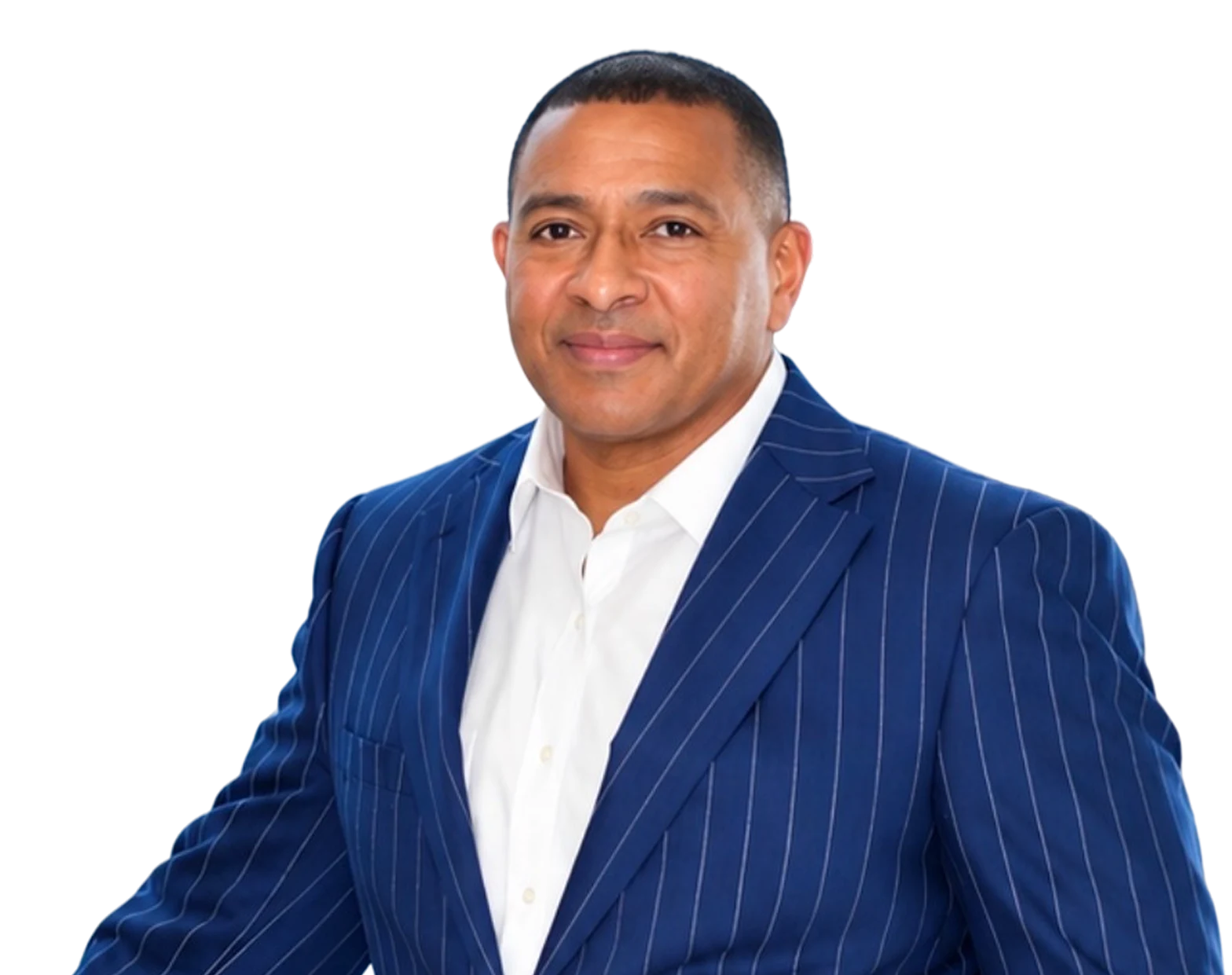
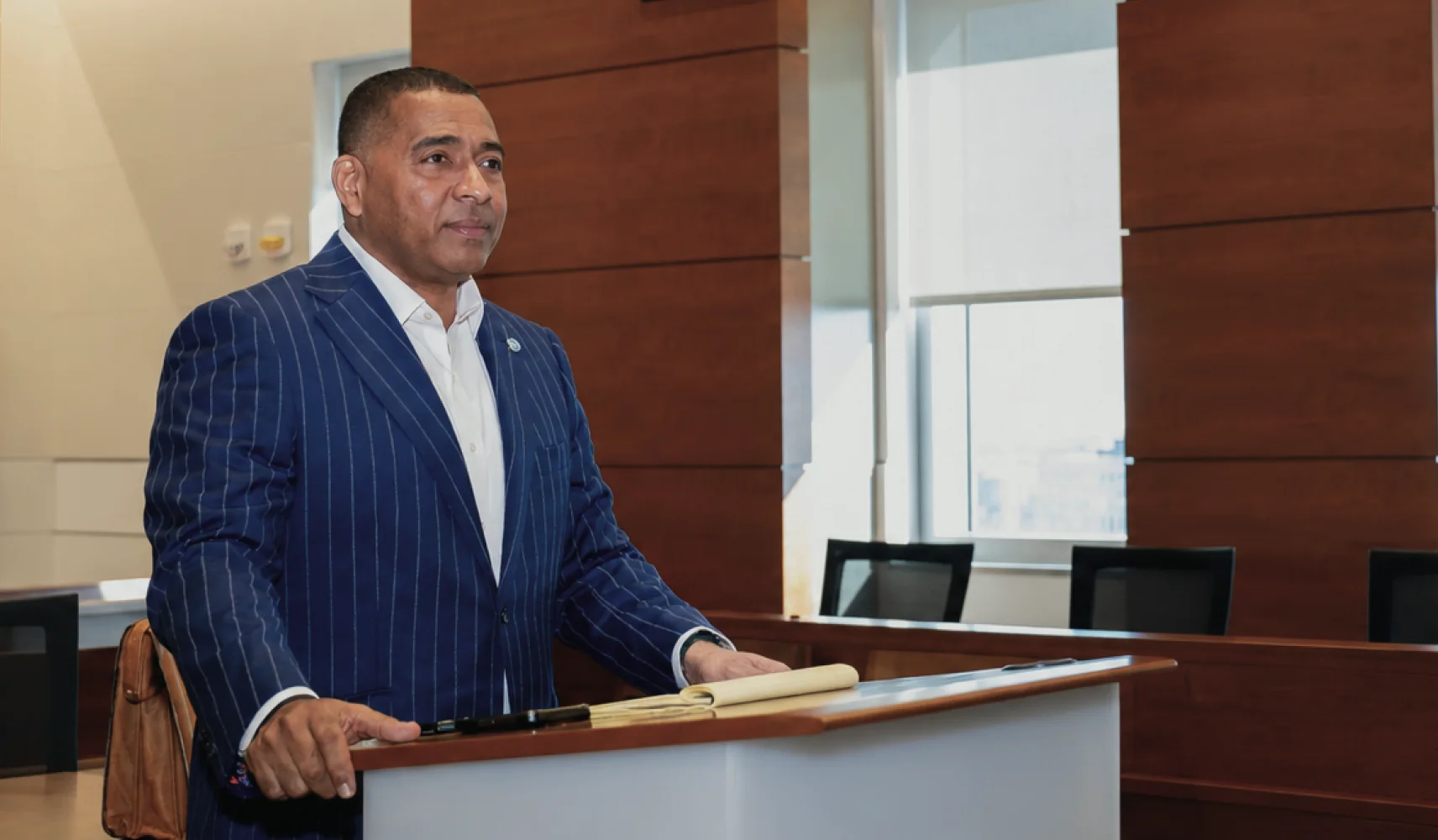
Michael Garcia, P.A. was founded in 2015 to fight assertively for clients while communicating honestly at every step. Founding attorney Michael Garcia brings courtroom experience that’s genuinely uncommon in South Florida business litigation.
With over 250 trials, he also has extensive experience from his time as assistant city attorney for Miramar and Lauderdale Lakes, city attorney for North Lauderdale, special counsel for the Town of Pembroke Park, and outside counsel to the Broward Sheriff’s Office. He also taught Construction Law at Broward College.
That mix of courtroom and public-sector experience matters in contract disputes: understanding how a judge will actually read a disputed clause (not just how it reads on paper) shapes strategy from the first phone call. Michael personally handles most client consultations, reviews the facts, is direct about whether a case is worth pursuing given the amount in dispute, and explains costs before anything moves forward.
Michael Garcia, P.A. has built one of the most active business and real estate litigation practices in Broward, Palm Beach, and Miami-Dade counties, with a no-nonsense approach focused on results and a commitment to keeping clients informed throughout.

The Team
-
 Nandani Anjalie Deokarran Associate attorney
 -
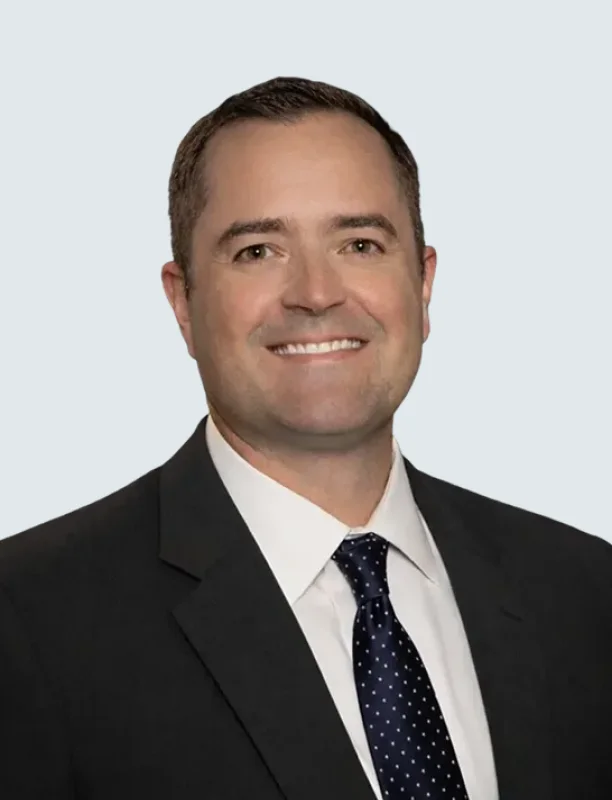 Cedric Small Associate attorney
 -
 Maria H. Jacome Senior Paralegal | Colombian Attorney
 -
 Marta Khaleel Paralegal / Legal Assistant
 -
 Tasha Gordon Paralegal / Office manager

Areas We Serve
Areas We Serve
Michael Garcia, P.A., proudly represents property owners in construction lien disputes throughout South Florida.
 888 SE 3rd Avenue, Suite 400-D, Fort Lauderdale, FL 33316
2465 Mercer Avenue, Suite 202, West Palm Beach, FL 33401
888 SE 3rd Avenue, Suite 400-D, Fort Lauderdale, FL 33316
2465 Mercer Avenue, Suite 202, West Palm Beach, FL 33401

FAQ
Frequently Asked Questions About Breach of Contract in Florida
Generally, any failure to perform an obligation the contract requires, whether that’s non-payment, late or incomplete performance, or a clear statement in advance that a party won’t perform at all.
No. Florida enforces oral contracts in most circumstances, though they generally have a shorter, four-year filing deadline and can be harder to prove without documentation. Certain agreements, like most real estate contracts, must be in writing under Florida’s Statute of Frauds.
Generally, five years for a written contract and four years for an oral contract, running from the date of the breach, though some contracts set their own shorter deadline to sue.
Not always. Many disputes resolve through negotiation, mediation, or arbitration before a lawsuit is ever necessary, though litigation may be the only path when the other side won’t engage in good faith. And when that happens, we make sure we’re always the most prepared lawyers in the courtroom.
Depending on the facts, options can include monetary damages, lost profits, enforcement of a liquidated damages clause, specific performance, or rescission of the contract, nd in some cases, attorney’s fees.
Depending on the facts, defenses can include impossibility of performance, frustration of purpose, mutual mistake, an expired statute of limitations, or the other party’s own prior breach.
You may still have options. Depending on the situation, claims like quantum meruit or unjust enrichment can allow recovery for work or value provided, even without a signed agreement.
Yes. We offer a free initial consultation to review your situation. If we take on your case, billing is hourly from that point forward, and we discuss the fee structure with you upfront.
We bill hourly and can offer monthly payment flexibility as long as the balance stays within an agreed threshold. We’ll walk through the specifics during your free consultation.
Thank you!
Your message has been submitted
Take the Next Step
Let Us Help You Enforce What You're Owed
A contract is only as good as your ability to enforce it. Whether you're pursuing payment or defending against a claim, reach out today for a free consultation. We respond to new inquiries in under an hour during business hours.
- Serving Broward, Palm Beach, and Miami-Dade counties.
- Se habla español.